
Commercial Wall Base and Cove Base

(33 results)
Roppe Vinyl Wall Base-A500
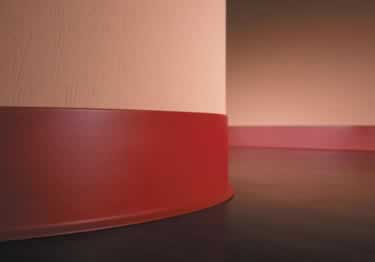


Johnsonite | Tarkett Vinyl Wall Base-A505
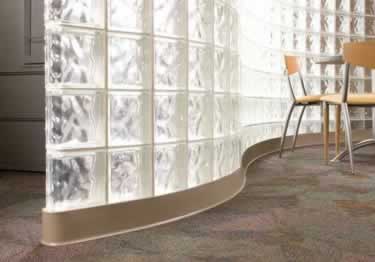
Johnsonite | Tarkett Millwork Wall Base-A508
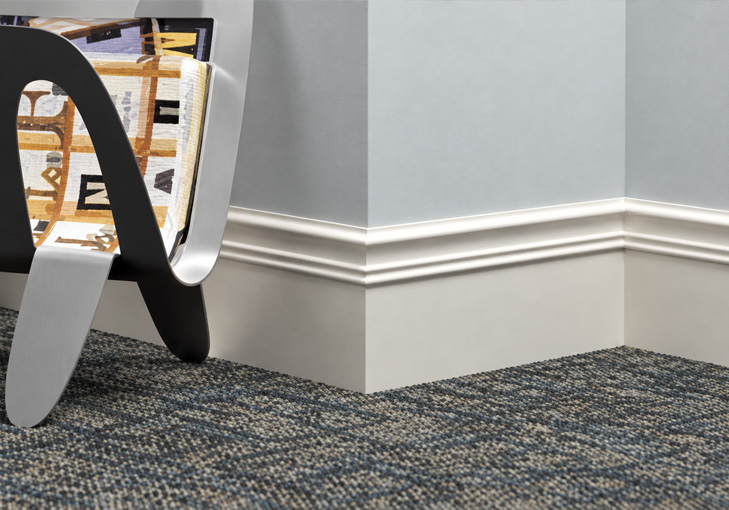
Johnsonite | Tarkett Rubber Wall Base-A530
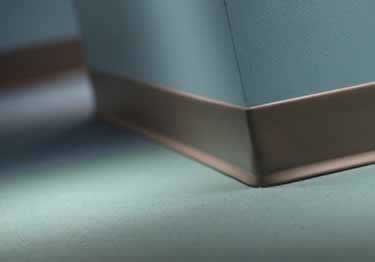
Roppe 700 Series | Rubber/Vinyl Blend Wall Base-A600
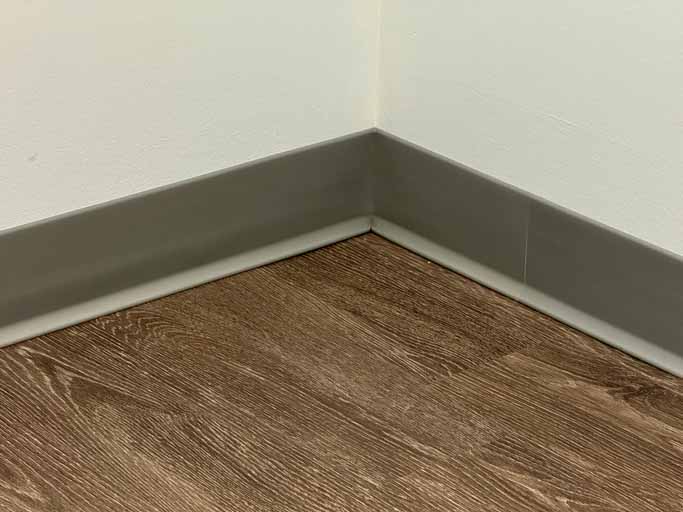
Flexible Paint | Stain Wood Grain Small Moldings-A252
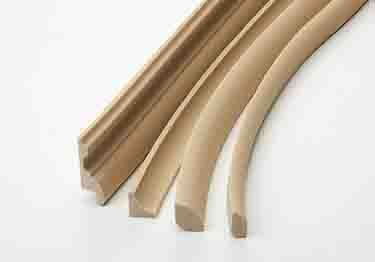
Johnsonite | Tarkett Vent Cove Base-A506
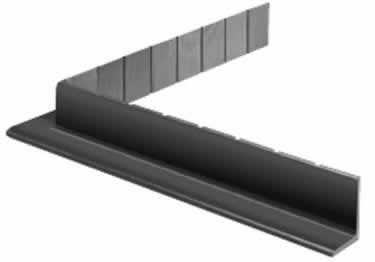
Johnsonite | Tarkett Perceptions® Wall Base-A539
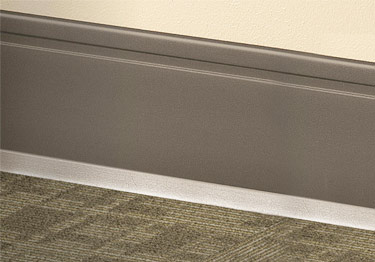
Roppe Pinnacle Rubber Wall Base-A5012
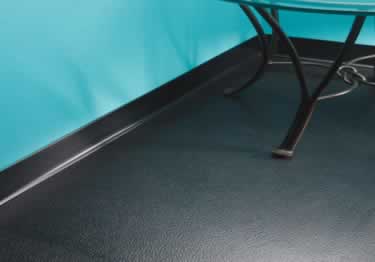
FLEXCO Base Sculptures Profiled Wall Base -A538
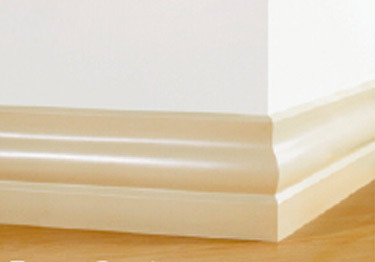
Rubber Wall Base by Armstrong-A540
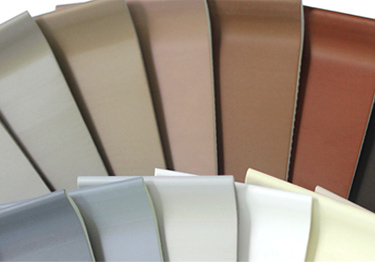
Johnsonite | Tarkett Masquerade Rubber Wall Base-A510
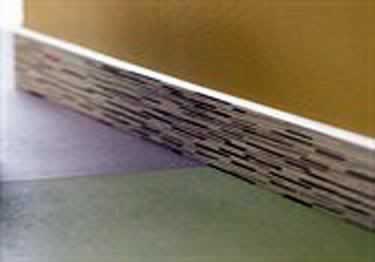
Smooth Metal Wall Base Molding-A531
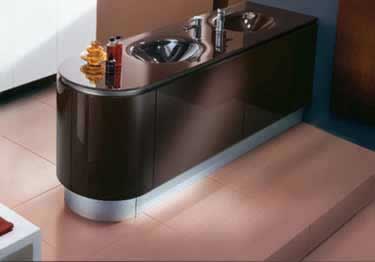
Roppe® Contours™ Profiled Wall Base-A264
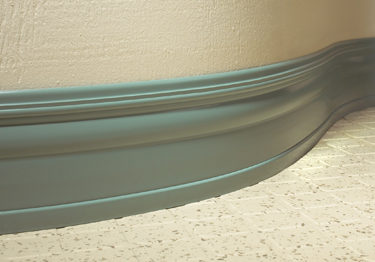
Flexco Vinyl Wall Base-A532
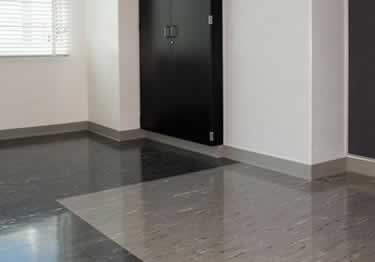
Roppe® Sanitary | Butt | Long Toe Rubber Wall Base-A533
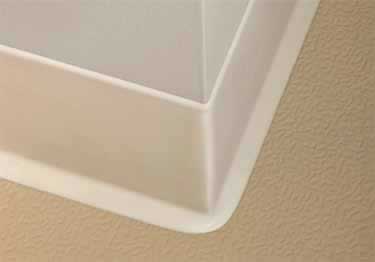
Flexible Paint | Stain Wood Grain Wall Base-A253
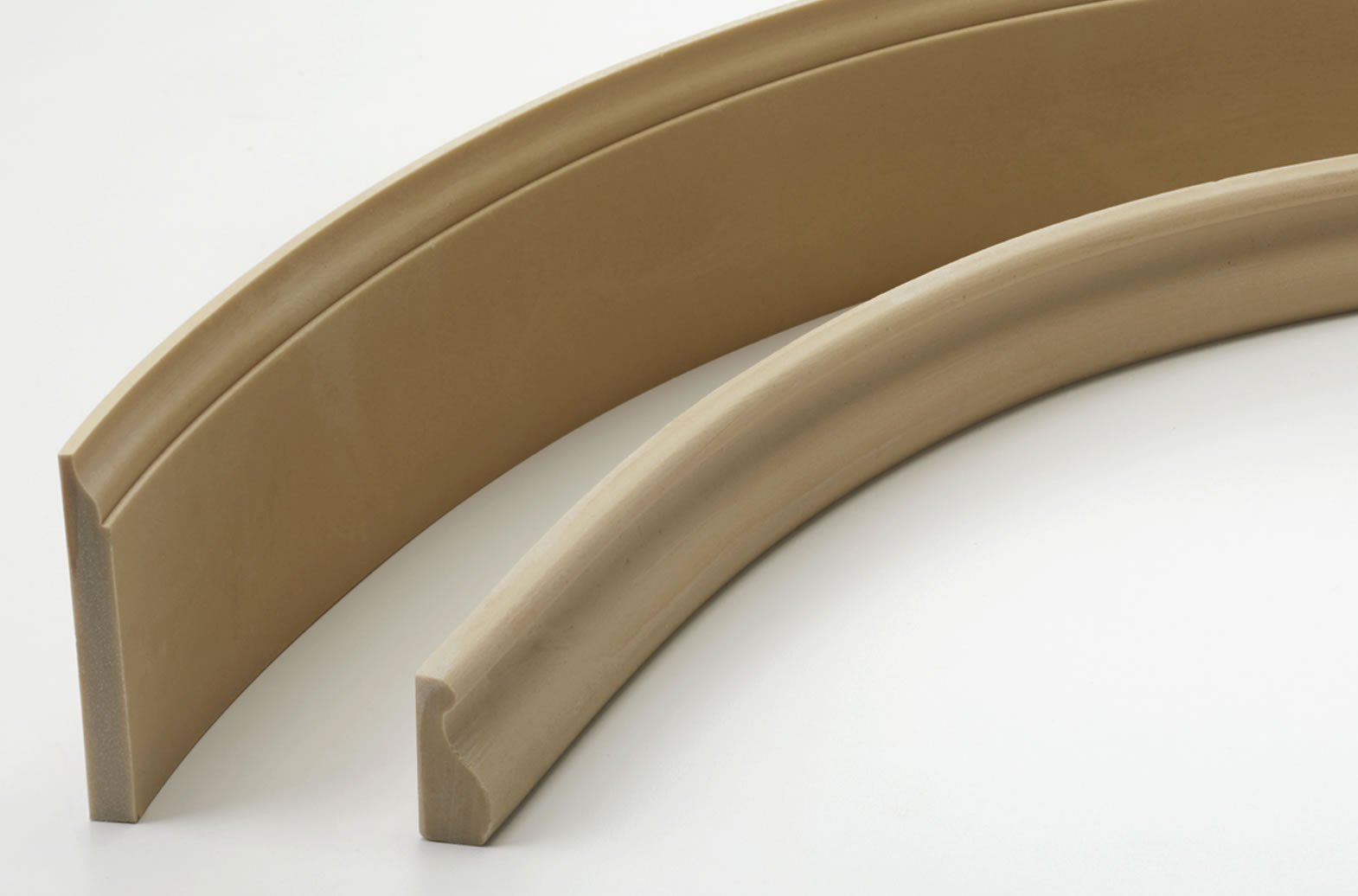
Diamond Plate Wall Base Molding-A423
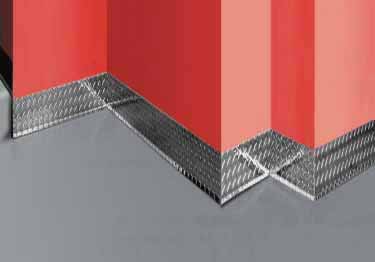
Vinyl Wall Base Edge by Mannington-A504
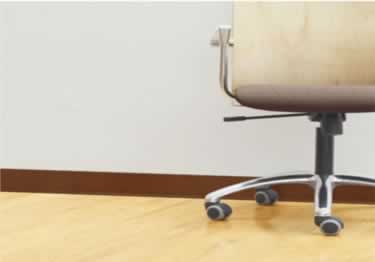
Stainless Steel Molding Wall Base-A568
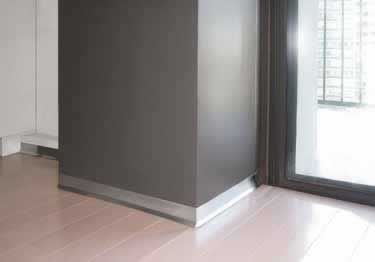
Roppe Pinnacle Plus Rubber Wall Base-A501
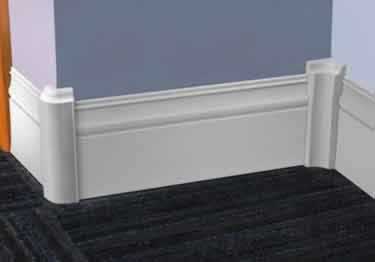
Johnsonite | Tarkett Tightlock Rubber Wall Base -A511
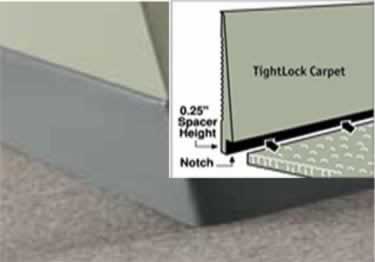
Flexible Paint | Stain Wood Grain Base Caps-A104
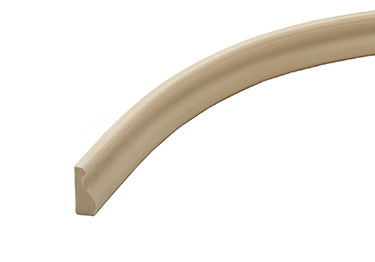
Flexible Paint | Stain Wood Grain Flat Stock-A251
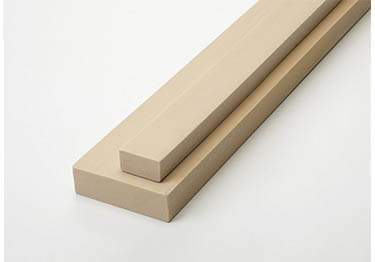
Johnsonite Wall Base Glow in the Dark-A589

InPro® High Impact Replaceable Wall Base-A535
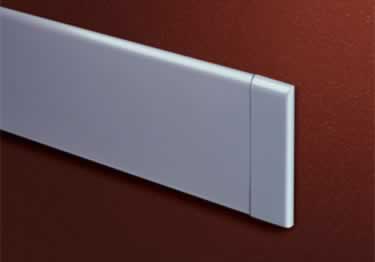
Johnsonite | Tarkett Cove Caps-A512
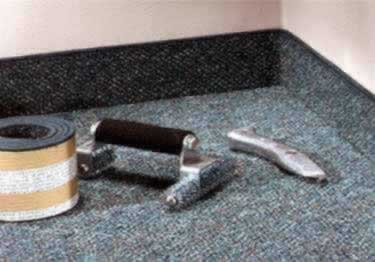
Color Rite Caulk For Roppe Products-A258
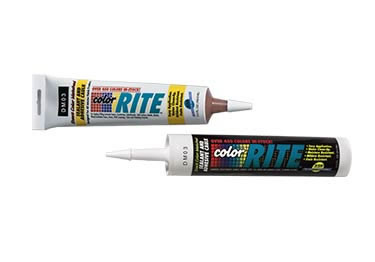
Color Rite Caulk For Johnsonite | Tarkett Products-A4636
Wall Base Adhesive-A404
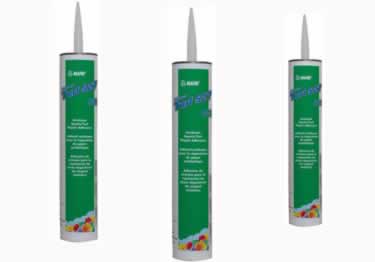
Cove Base Installation Tools-A503

HENRY® 440 Wall Base Adhesive™ -A159
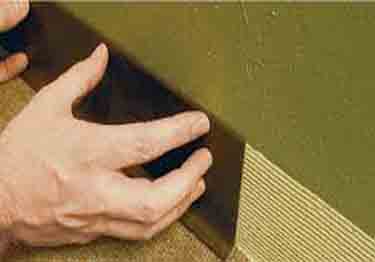
Wall Base Cutter-A5611

Commercial Wall Base and Cove Base Information
Wally and Floora:

Wally Says:
Floora, did you know that wall base is like a frame on a piece of art. And your wall is a piece of art to wall and floor protection professionals. It adds a nice finishing touch, while still offering protection. Wall base protects walls from foot and furniture damage. By extending the life of your walls and wall paint, adding wall base trim is a wise choice that will provide benefits for years. Add wall base to any room that sees foot traffic whether it is an office, bathroom, kitchen or recreation space.
Here's what to consider when choosing a wall base for your project:
- Material Quality
Choose from vinyl baseboard, cove base, rubber baseboard, wood, and metal wall bases, each offering unique benefits in terms of durability, flexibility, and appearance. Consider the environment and traffic levels to select the most suitable material. -
Design and Aesthetics
With a range of colors, profiles, and finishes available, you can select a wall base that enhances your interior design. From sleek and modern to rich and traditional, we have options for every taste. -
Installation Method
Our wall bases are designed for easy installation, with options for glue-down or snap-on systems. Consider the specific needs of your project and the type of flooring you're pairing it with for the best fit. -
Maintenance and Durability
Opt for wall bases that are easy to clean and maintain, and resistant to wear and tear. This ensures your space looks great for years to come with minimal upkeep.
Buying Tip: For areas with high moisture levels, such as bathrooms or basements, consider a waterproof and mold-resistant material like vinyl or rubber to ensure longevity and health safety.

Floora Says:
Wally, a well-chosen wall base can dramatically enhance the look and feel of your rooms. Here's how to ensure a successful selection and installation:
- Measure Accurately
Before purchasing, accurately measure the perimeter of your room to determine how much wall base you need, allowing a little extra for cutting and fitting. -
Preparation Is Key
Ensure the wall and floor where the wall base will be installed are clean and dry. This guarantees a strong adhesion and a smooth finish. -
Follow Instructions
For the best results, follow the manufacturer's installation guidelines. Proper installation ensures the durability and aesthetic quality of the wall base. -
Regular Care
Keep your wall base looking its best with regular cleaning using a damp cloth or mop. Avoid harsh chemicals that can damage the material or finish.
Buying Tip: Consider the overall design continuity of your space. Matching or complementing the wall base with other architectural elements can create a cohesive and visually appealing interior.
Shop Wall Base By Material
Start with the material. It sets how the base wears and what it costs. Then narrow your pick by height, toe style and color.
Vinyl and rubber
Rubber handles heavy traffic and bends without cracking, while vinyl goes up fast and costs less. Most projects use both. Our vinyl and rubber wall base range covers thermoset, TP rubber, blends and 1/8 inch and .080 inch vinyl.
Stainless steel and metal
Metal base suits commercial kitchens, factories and garages. Our stainless steel and metal wall base comes in Type 304 stainless, aluminum and diamond plate.
Traditional and decorative profiles
Profiled base gives a room a millwork look. Our traditional wall base covers paintable wood grain moldings and base caps. Our decorative wall base covers sculpted and contoured profiles up to 8 inches tall.
Adhesive and tools
Every job needs the right glue and a clean cut. Our wall base supplies range covers adhesive, caulk, installation tools and base cutters.
Wall Base Materials At A Glance
| Material | Heights | Thickness | Lengths |
|---|---|---|---|
| Rubber | 2-1/2 to 6 in standard | 1/8 in standard; up to 3/8 in | 4 and 8 ft strips; 60 to 120 ft coils |
| Vinyl | 2-1/2, 4, 4-1/2 and 6 in | 1/8 in or .080 in | 4 ft strips; 100 and 120 ft rolls |
| Metal | 2 to 8 in | 18 gauge stainless | 4 ft to 96 in |
| Profiled | 2-5/8 to 8 in | 1/8 to 1/2 in | 8 ft strips; 40 ft rolls |
Frequently Asked Questions
Which wall base material is the most durable?
Rubber leads on durability. It handles impact, moisture, and daily wear with ease. It also stays flexible in cold rooms and hot ones. So, schools, hospitals, airports, and gyms rely on it. Carts and foot traffic hit the wall daily. Rubber holds up. Vinyl works well in lighter spaces. Yet for pure longevity, rubber sets the standard. For busy corridors, choose from a rubber wall base. Can I install new wall base on top of existing baseboards?
Remove the old baseboards first. Then you'll get the strongest bond. Old base hides bumps behind the new material. So scrape off the old adhesive too. Next, check that the wall feels solid. This prep takes just minutes per foot. And it keeps your base tight for years. What kind of wall base should I use with tile flooring?
Rubber or vinyl cove base suits tile best. Both resist moisture with ease. That helps in restrooms and entryways. The covered toe seals the gap at the floor. So spills and mop water stay out. For wet areas, add a moisture-rated adhesive. Then your base holds strong for years. What is cove base molding?
Cove base molding is wall base with a curved toe. That toe runs onto the floor and closes the joint. It pairs well with vinyl, tile and other hard floors. Koffler stocks cove base in rubber, vinyl and stainless steel. Is vinyl cove base the same as plastic baseboard?
Usually, yes. Vinyl cove base is soft PVC wall trim. Many buyers call it plastic baseboard. The vinyl lines in our vinyl or rubber wall base range ship in strips or coils. Do you carry metal wall base?
Yes. Our stainless steel and metal wall base comes in stainless steel, aluminum and diamond plate. Each style ships with preformed corners. Is it okay to install wall base on a painted wall?
Yes, painted drywall works great. First, clean the wall well. Make sure it's dry and dust-free. Smooth paint gives the adhesive a firm grip. For glossy spots, scuff-sand the surface. Also let fresh paint cure first. Then the base bonds tight and stays put. How do I pick the right height for my wall base?
Height depends on protection and style. A taller base guards more of the wall. Six inches suits busy commercial halls. Four inches fits most offices and homes. It's the go-to choice. A 2.5-inch profile gives a trim, clean look. So match the height to the traffic. More wear calls for a taller base. How do I choose the right base for my flooring?
The floor sets the pick. Hard floors need coved base. That covers vinyl, LVT, tile, and concrete. The toe hides the gap and seals spills. The carpet takes a straight, toeless profile. It sits flush against the pile. So, rubber suits high-traffic floors best. And vinyl fits lighter spaces well. Our guide to matching base to your flooring type covers material, height, and profile in order. Should I specify vinyl or rubber wall base?
Both perform well. Traffic and budget decide the winner. Vinyl offers great value. It installs fast and comes in many colors. So, offices and shops love it. Rubber costs more, yet it takes more abuse. It resists scuffs and shrugs off temperature swings. Plus it forms clean outside corners. That's why schools and gyms choose it. See how vinyl and rubber compare before you spec. Then compare both materials in our vinyl and rubber wall base range. What wall base heights and thicknesses are available?
A wall base stands 2.5 to 6 inches tall. Four inches remains the top pick. Thickness grows from light vinyl to heavy rubber. A thicker gauge resists impact well. It also hides small wall flaws. The exact range shifts by material and brand. So, our full wall base sizing guide lists every height and gauge. It covers vinyl, rubber, wood, and MDF. Which wall base brands do you carry?
Koffler stocks the top spec-grade names. That means Johnsonite, Roppe, Flexco, Mannington, and InPro. We carry Armstrong and more too. These brands hold color across large orders. They also share full technical and fire data. Plus they offer deep color choices. See the wall base brands worth specifying for the best fit. New to specifying base?
Start with the basics. Our primer on what baseboards are explains the key terms. You'll learn cove, straight, toe, gauge, and profile. It also covers rubber, vinyl, wood, and MDF. So read it first. Then move on to sizing and brands. You'll shop with confidence. How do I set up a clean install?
Good prep does most of the work. First, let the material warm to room temperature. Start with dry, smooth, dust-free walls. Then match the adhesive to your surface. Use cove base adhesive on most walls. Choose a moisture-rated one for wet areas. Next, work in short, steady lengths. Press the base with a hand roller. Seat the top edge and toe well. For corners, use preformed or coped pieces. Our guide to installation mistakes to avoid covers all ten, plus each fix. Does wall base pay for itself in a commercial building?
Yes, and it pays back fast. Carts, chairs, and equipment hit walls daily. Wall base absorbs that impact for you. So, your drywall and paint stay fresh. Over five years, the savings add up. You can save $15,000 per 10,000 square feet. That covers repair, repainting, and cleaning. Busy buildings see the payback even sooner. See our wall base cost and labor ROI calculation for the numbers. How do I keep a wall base looking new?
Simple care goes a long way. Wipe vinyl and rubber with mild soap and water. Use a shaped brush for the floor crevice. That clears dust and mop residue fast. Stick with soft pads and gentle cleaners. They keep the finish bright for years. See how to keep baseboards clean for the full routine. How much wall base should I order?
Measure the full room perimeter first. Then subtract the door openings. Next, add about 10 percent for cuts and corners. Pre-cut 4-foot strips suit small and medium rooms. Long runs work better with 120-foot rolls. They cut seams and save time. When unsure, round up. Extra base keeps your color and job on track. Can I get samples before I specify a full building? Yes, and samples make the choice easy. Order free samples first. Check each color against your floor and wall. View them in the room's own light. That confirms the true color on site. So you commit with full confidence. To match one color across phases, contact our team. We'll help you lock the spec.